
Vape Laws: Understanding the Regulations and Restrictions
History of Vape Laws
The history of vape laws is a relatively short one, with the first e-cigarettes emerging in the early 2000s. Initially, there was little to no regulation of the industry, with manufacturers and retailers largely free to operate as they saw fit. However, as the popularity of vaping grew, so too did concerns about the potential health risks, leading to a growing call for regulation, especially in cities like Riyadh vape shops. In 2009, the US Food and Drug Administration (FDA) first announced its intention to regulate e-cigarettes, and since then, a complex web of laws and regulations has emerged.
Types of Vape Laws
There are several types of vape laws, each with its own unique characteristics and restrictions. Some of the most common types of vape laws include:
Federal Laws
Federal laws are those that apply across an entire country, and are typically enacted by the national government. In the United States, for example, the FDA has established a range of regulations governing the manufacture, sale, and use of e-cigarettes.
State Laws
State laws, on the other hand, are those that apply only within a specific state or region. These laws can vary significantly from one state to another, with some states imposing strict regulations on vaping, while others are more permissive.
Local Laws
Local laws are those that apply within a specific city or municipality. These laws can be even more restrictive than state or federal laws, with some cities imposing bans on vaping in public places or restricting the sale of e-cigarettes.
Vape Law Restrictions
Vape law restrictions can take many forms, from bans on the sale of certain types of e-cigarettes to restrictions on where and when vaping is allowed. Some common restrictions include:
Age Restrictions
Many countries and states have imposed age restrictions on the sale of e-cigarettes, with some requiring purchasers to be at least 18 or 21 years old.
Flavor Restrictions
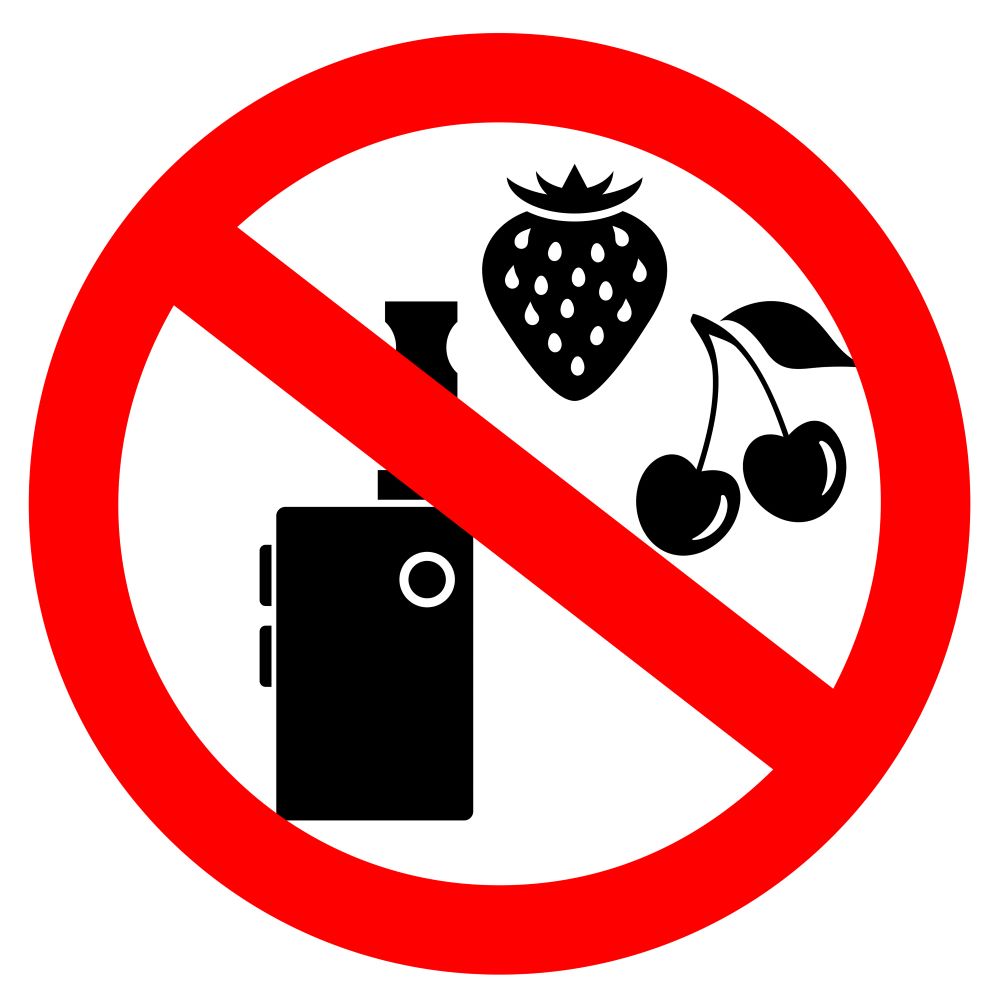
Some jurisdictions have imposed restrictions on the sale of flavored e-cigarettes, which are seen as particularly appealing to youth.
Public Place Restrictions
Many cities and states have banned vaping in public places, such as parks, restaurants, and public transportation.

Enforcement of Vape Laws
Enforcing vape laws can be a significant challenge, particularly given the ease with which e-cigarettes can be purchased online or from unauthorized retailers. Some common strategies for enforcing vape laws include:
Inspections and Fines
Regulatory agencies may conduct inspections of retailers and manufacturers to ensure compliance with vape laws, imposing fines or other penalties for non-compliance.
Public Education Campaigns
Public education campaigns can be an effective way to raise awareness about the risks of vaping and the importance of complying with vape laws.
Law Enforcement
In some cases, law enforcement agencies may become involved in enforcing vape laws, particularly in cases where vaping is linked to other illicit activities.
Ongoing Debates
Despite the many laws and regulations that have been put in place, there are still many ongoing debates about the best way to regulate the vaping industry. Some of the key issues include:
The Role of Nicotine
There is ongoing debate about the role of nicotine in vaping products, with some arguing that it is a key factor in the appeal of e-cigarettes, while others see it as a major public health risk.
The Impact on Youth
There is also significant concern about the impact of vaping on youth, with many arguing that e-cigarettes are a gateway to smoking and other substance use.
The Balance Between Regulation and Harm Reduction
Finally, there is an ongoing debate about the balance between regulating the vaping industry and reducing harm. While some argue that strict regulations are necessary to protect public health, others see them as overly restrictive and likely to drive vapers back to smoking.
Conclusion
In conclusion, the world of vape laws is complex and constantly evolving. As our understanding of the risks and benefits of vaping continues to grow, it is likely that laws and regulations will continue to change. By staying informed and up-to-date on the latest developments, vapers and non-vapers alike can navigate this complex landscape and make informed choices about their health and well-being.
FAQs
What is the minimum age to buy e-cigarettes in the US?
The minimum age to buy e-cigarettes in the US is 21 years old, although some states have set the minimum age at 18.
Are flavored e-cigarettes banned in the US?
Some flavored e-cigarettes are banned in the US, although the specific restrictions vary from state to state.
Can I vape in public places?
It depends on the location - some cities and states have banned vaping in public places, while others allow it.
Are e-cigarettes regulated by the FDA?
Yes, e-cigarettes are regulated by the FDA, which has established a range of rules governing their manufacture, sale, and use.